Trump’s Iran Strike: 6 Critical Unknowns That Could Reshape the Global Order
President Donald Trump has launched one of the most consequential foreign policy moves of his second term: a direct military assault on Iran’s nuclear facilities. The strike, announced over the weekend, was billed as a decisive blow against Tehran’s ambitions to acquire nuclear weapons. But as the dust settles, the world is left grappling with profound questions.
1. How Much Damage Did the U.S. Actually Inflict?
President Trump proclaimed that the U.S. strikes “completely and totally obliterated” Iran’s uranium enrichment capabilities. However, officials have stopped short of confirming whether the Islamic Republic has truly lost the capacity to produce a nuclear weapon.
Gen. Dan Caine, chairman of the Joint Chiefs of Staff, described the damage as “extremely severe,” but acknowledged that full assessment would take time. The International Atomic Energy Agency (IAEA), if granted access, will play a key role in verifying any lasting impact on Iran’s nuclear infrastructure.
2. Will Iran Retaliate—and How?
Iran has already responded. On Monday, Tehran claimed to have launched missiles at the Al-Udeid Air Base in Qatar, a key U.S. military hub. Qatar confirmed that its air defenses intercepted the missiles, with no casualties reported.
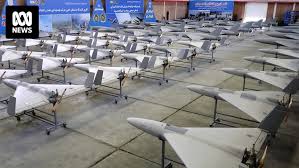
Beyond direct attacks, Iran may turn to asymmetric tactics. Militias in Syria and Iraq, the Houthis in Yemen, and cyber units could all serve as proxies. Iranian lawmakers have also endorsed closing the Strait of Hormuz, a vital global trade artery—an act that could trigger soaring oil prices and economic ripples across the globe.
A Bigger Threat: Terrorism?
Former U.S. officials have long warned of Iran’s ability to retaliate through global terror networks. While no such incidents have occurred yet, the potential for attacks on diplomatic missions or civilian targets remains a deeply troubling unknown.
3. Are Diplomatic Channels With Iran Now Dead?
Iranian Foreign Minister Abbas Araghchi declared in Istanbul: “This is not the case right now,” when asked if diplomacy was still possible.
Though Defense Secretary Pete Hegseth insisted the action wasn’t part of a broader war campaign, he also warned that the U.S. would respond with greater force if provoked.
This tit-for-tat posture leaves diplomacy hanging by a thread—and likely extinguishes hopes of reviving the nuclear deal in the near term.
4. How Will Russia and China Respond?
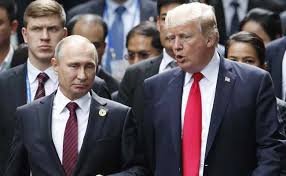
Both Moscow and Beijing have condemned the U.S. attack. Iran’s foreign minister has already met with Russian President Vladimir Putin seeking support, though it’s unclear what material assistance, if any, Russia will provide.
China’s condemnation was swift but measured. The key question is whether either country will act beyond words—through arms transfers, diplomatic cover at the UN, or cyber retaliation.
Will They Just Watch and Wait?
Their next moves will be pivotal in determining whether this conflict remains bilateral or escalates into a broader geopolitical showdown.
5. Where Is Congress in All This?
A central constitutional question is emerging: Did President Trump violate the separation of powers by bypassing Congress before launching this military strike?
As of this writing, there’s been no formal notification to Congress justifying the legal basis for the action. While the President is the commander-in-chief, the Constitution gives Congress the sole power to declare war.
Trump isn’t the first president to sideline Congress in military matters—but this strike could revive the long-simmering debate about executive overreach in wartime decisions.
6. Could This Split the MAGA Movement?
Trump’s “America First” brand was built on rejecting the neoconservative doctrine of endless wars. His sudden pivot to launching preemptive strikes on Iran has some in the MAGA base reeling.
Critics within the movement had warned such action would be an “unforgivable betrayal” of Trump’s core promises. Yet, history suggests they may complain—but ultimately stick with him.
Loyalty Over Policy?
Trump has defied internal dissent before and retained control over the GOP. Whether this latest move sparks real division or merely token grumbling remains to be seen.
A Moment of Global Uncertainty
Trump’s strike on Iran may have been aimed at halting a nuclear threat, but it has unleashed a geopolitical domino effect that’s only just beginning to unfold. From energy markets to diplomatic relations, from the halls of Congress to the streets of Tehran, the consequences are likely to reverberate for weeks—if not years.
As the world waits to see how Iran—and the global community—responds, one thing is clear: we are entering a volatile new chapter in Middle Eastern affairs, with the potential to reshape the global balance of power.