A Decade of Debt, Decline, and Division
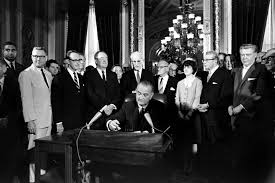
Donald Trump’s newly signed tax legislation, pitched as a bold economic booster, is projected to add $3.4 trillion to the national debt over the next ten years, according to the Congressional Budget Office (CBO). Once interest is factored in, the true cost balloons to $4.1 trillion, warns the Committee for a Responsible Federal Budget (CRFB)—a nonpartisan watchdog that scrutinizes fiscal policy.
Passed along razor-thin partisan lines, the bill offers aggressive corporate tax cuts and slashes critical social programs like Medicaid and SNAP (food stamps), setting the stage for a seismic shift in America’s fiscal, healthcare, and energy landscapes.
Let’s unpack what this means for the economy, businesses, and the American people.
Permanent Tax Cuts—With a Permanent Price Tag
Corporate Relief at the Core
At the heart of the bill is the permanent extension of Trump’s 2017 tax cuts. Key features include:
-
Corporate tax rate locked at 21%, down from the pre-2017 level of 35%.
-
Expanded standard deduction, aimed at benefiting middle-income earners.
-
New deductions for tipped and overtime income.
-
Repeal of tax credits that incentivize wind and solar energy investments.
While these measures aim to stimulate business investment and household spending, the CBO and CRFB agree the economic upside will be “modest or negative” at best.
“Not one serious estimate claims this bill will improve our financial situation,” said Maya MacGuineas, CRFB president. “It’s still hard to believe that policymakers just added $4 trillion to the debt.”
The Cost: Exploding National Debt
With $4.5 trillion in lost tax revenue and only $1.1 trillion in projected savings from social safety net reductions, the gap is clear—and growing.
-
National debt currently exceeds $36 trillion
-
$3.4 trillion in new debt over a decade (CBO)
-
$4.1 trillion including interest (CRFB)
For business leaders, this signals a long-term drag on macroeconomic stability, higher borrowing costs, and potentially more aggressive Fed intervention.
Social Spending Slashed: 10 Million to Lose Health Insurance
Medicaid and Food Stamps Under the Knife
The bill proposes deep cuts to Medicaid and the Supplemental Nutrition Assistance Program (SNAP), collectively saving $1.1 trillion. But those savings come with significant human costs:
-
Stricter work requirements
-
Tighter eligibility checks
-
Projected 10 million Americans will lose health insurance by 2034
These changes are particularly alarming for healthcare providers, insurers, and employers with large lower-income workforces who may now see reduced productivity, increased turnover, or new burdens as employees lose access to care.
“Their constituents will starve, lose critical medical care, lose their jobs – and yes, some will die,” said Ken Martin, Democratic National Committee chair.
Energy & Immigration: Bill Reshapes U.S. Priorities
Clean Energy Subsidies Repealed
The repeal of tax credits for wind and solar development is a sharp pivot from recent bipartisan trends toward renewable investment. This could:
-
Increase energy costs for households and businesses
-
Set back ESG goals and corporate sustainability strategies
-
Undermine clean tech innovation and green job creation
For companies committed to net-zero targets, this could make achieving those goals more expensive—and politically sensitive.
Border Security Gets a $170 Billion Boost
In contrast, the bill allocates nearly $170 billion to immigration enforcement, including:
-
Expanded funding for ICE (Immigration and Customs Enforcement)
-
Increased border patrol resources
-
New financing for southern border wall construction
While this aligns with Trump’s America First policy framework, it raises questions about fiscal priorities and could heighten labor market tensions, especially in sectors reliant on immigrant labor.
Political Fallout: Narrow Win, Broad Backlash
Slim Margins in Congress, Slimmer Support Among Voters
The bill passed the Senate 51-50 and the House 218-214—a razor-thin margin that underscores the deep divisions within U.S. politics.
Despite Trump declaring the bill “the most popular ever signed,” public sentiment tells another story:
-
Only 25% of Americans believe the bill will help their family (CBS/YouGov)
-
Growing skepticism across both suburban and rural constituencies
-
Likely electoral consequences for down-ballot GOP candidates in 2026
Democrats Sound Alarm on Wealth Inequality
Democratic leaders have roundly condemned the bill as a massive handout to the wealthy, emphasizing that it prioritizes:
-
Corporate interests over working families
-
Donor class relief over social equity
-
Short-term political wins over long-term fiscal responsibility
Their warnings may resonate with voters as healthcare costs rise and more families feel the impact of lost coverage and shrinking safety nets.
What This Means for Business Strategy
1. Watch Interest Rates and Treasury Markets
With the deficit projected to grow by over $4 trillion, bond yields could spike, pressuring the Fed and destabilizing debt markets. CFOs should monitor interest rate volatility and hedge accordingly.
2. Prepare for Workforce Disruptions
Employers may face a less healthy, less secure workforce due to the Medicaid cuts. This could lead to:
-
Higher absenteeism
-
Greater employee turnover
-
Rising pressure for employer-sponsored benefits
3. Rethink Clean Energy Investments
With the elimination of renewable energy tax credits, ROI on green infrastructure may decline. Companies committed to ESG should reassess project timelines and funding options.
4. Stay Ahead of Policy Whiplash
This bill could be repealed or heavily revised if political power shifts in 2026 or 2028. Long-term planning should include contingencies for tax policy reversals.
Fiscal Recklessness or Bold Growth Strategy?
Whether this bill goes down in history as a catalyst for economic renewal or a fiscal blunder, one thing is clear: It marks a turning point in America’s policy direction. With trillions at stake, business leaders can’t afford to ignore the warning signs.
Expect more debt ceiling battles, tighter credit conditions, and rising pressure on public services. This is a pivotal moment—and CEOs must be ready to lead through it.