For the first time in months, momentum is building toward a potential Gaza ceasefire—via a U.S.-brokered framework reportedly embraced by both Hamas and Israel. With shifting regional dynamics including an Iran–Israel pause and U.S. pressure from President Trump, negotiations appear poised to take a major step forward.
Why Are Talks Heating Up Now?
A New Windows of Opportunity
Recent Iran–Israel cessation (June 24) and backing by Qatar, Egypt, and the U.S. created the opening needed to revive dialogue.
Pressure from All Sides
Israel faces domestic unease over the humanitarian toll; polls indicate the majority of Israelis support a deal to bring home hostages .
Core Objectives of Each Side
Israel: Hostage Safe — Then War Goals
While Israel’s broader aim remains dismantling Hamas, Netanyahu has recalibrated priorities, now placing hostage release first.
Hamas: Freeze + Guarantees
Hamas has made it clear: they will release hostages only if the ceasefire leads to permanent calm, Israeli withdrawal from key positions, and unrestricted UN-led aid .
What the Ceasefire Blueprint Proposes
-
60‑day initial ceasefire: Israel will pull forces from designated parts of Gaza.
-
Hostage exchange: Day 1 sees 8–10 living Israeli hostages released in return for Palestinian prisoners; 18 deceased Israelis also to be returned .
-
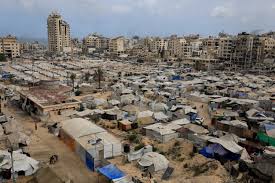
Humanitarian surge: Aid resumes via UN and traditional routes—not the controversial Gaza Humanitarian Foundation.
-
Permanent ceasefire talks: Begins immediately after initial truce.
What’s Next: Proximity Talks & Final Hurdles
Negotiations in Doha/Cairo
Mediators are set to shuttle between sides to finalize details such as timelines for Israeli withdrawal and aid logistics.
Key Obstacles
-
Hamas demands guarantee against post-ceasefire teardowns.
-
Israel faces pressure from members of Netanyahu’s far-right coalition who oppose the deal .
Historical Context & New Developments
-
Previous ceasefires: A 4-day pause in Nov 2023 and an 8-week truce in early 2025 ended abruptly with renewed hostilities .
-
Casualties: Over 57,000 Palestinians have died; both Israeli hostages and Palestinian prisoners remain central bargaining chips.
Why This Matters – A CEO’s Takeaway
-
Humanitarian Impact: A genuine pause could relieve suffering and restore aid flows to starving Gaza civilians.
-
Geopolitical Significance: A successful deal may reset regional diplomacy, with broader implications in Middle East stability.
-
Business & Economy: A ceasefire could stabilize markets, restore confidence in trade in the region, and ease humanitarian expenditures.
What to Watch in the Next Week
-
Trump–Netanyahu Meeting (Week of July 7): Will be pivotal in endorsing the deal .
-
Hamas Final Go‑ahead: Their amendments must align closely enough to avoid stalling .
-
International Guarantees: Qatar, Egypt, and the U.S. must commit to enforcement and oversight.
-
Humanitarian Access: Delivery speed and control will define trust in the truce.
With both sides signaling willingness, this is the most viable ceasefire proposal since the conflict’s early stage. Implementation remains fragile—but if it holds, it could offer a blueprint for de-escalation and a long-sought pathway toward lasting peace.
Potential pitfalls remain, but the opportunity is clear: a 60-day truce backed by immediate aid, phased troop withdrawal, and hostage recovery.