Lawmakers Undo Voter-Approved Measure, Setting Stage for Potential 2026 Ballot Showdown
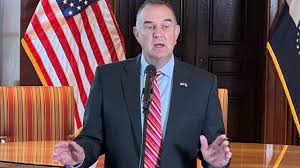
In a move that has reignited debate over the balance between economic growth and worker protections, Missouri Governor Mike Kehoe signed a bill on Thursday repealing the state’s newly implemented paid sick leave law—just eight months after it was approved by voters.
The repeal, set to take effect August 28, marks a major policy reversal and a win for business groups, particularly the Missouri Chamber of Commerce and Industry, which had aggressively lobbied against the measure. Worker advocates, meanwhile, call it a betrayal of families who now face renewed pressure to choose between health and income.
What Was Repealed—and Why It Matters
Key Provisions of the Original Law
The voter-approved law, passed in November 2024, entitled workers to:
-
Earn 1 hour of paid sick leave for every 30 hours worked
-
Begin accruing benefits as of May 1, 2025
-
Receive protections regardless of employer size
By the time it’s repealed, eligible full-time employees could have earned roughly 22 hours of sick leave—benefits that may now be lost if unused by late August.
Governor’s Justification: “Costly Mandate”
Governor Kehoe defended the repeal as part of a broader pro-business agenda, emphasizing the need to reduce what he called “overreach” and “burdensome mandates.”
“Today, we are protecting the people who make Missouri work – families, job creators, and small business owners – by cutting taxes and eliminating costly mandates,” Kehoe said in a statement following a private signing ceremony.
Business Applauds the Repeal
Chamber of Commerce: “This Was a Job Killer”
Kara Corches, President and CEO of the Missouri Chamber of Commerce and Industry, described the original law as a direct threat to job creation and growth.
“Paid leave and inflation-linked minimum wage adjustments were job killers. This repeal will give businesses room to breathe and innovate without new compliance headaches.”
Business owners—particularly small and medium-sized enterprises (SMEs)—welcomed the repeal, citing concerns over compliance costs, documentation, and employee scheduling logistics.
A Tax Incentive Trade-Off
Companion Bill Offers Tax Relief
The repeal was signed alongside a sweeping tax incentive package, which includes:
-
Exemption of capital gains from state income taxes
-
Expanded tax breaks for senior citizens and disabled residents
-
Sales tax exemptions on diapers and feminine hygiene products
Kehoe framed the measures as a strategic economic stimulus, arguing that reducing tax burdens will offset any perceived loss of worker protections.
Worker Advocacy Groups Decry Move
“A Betrayal to Working Families”
Richard von Glahn, policy director at Missouri Jobs With Justice and a key sponsor of the original ballot measure, blasted the decision.
“This is an absolute betrayal to working families. Parents shouldn’t have to choose between staying home with a sick child and putting food on the table.”
Von Glahn also pointed out the growing disparity between full-time and part-time workers, the latter of whom are far less likely to receive paid sick leave voluntarily.
National Context: Missouri Joins Other States Scaling Back
Alaska, Nebraska Show Different Paths
Missouri is not alone in reevaluating paid leave laws passed through ballot measures:
-
Alaska’s law (also passed in November) took effect on July 1 and remains intact.
-
In Nebraska, Governor Jim Pillen recently signed revisions exempting businesses with 10 or fewer employees, seasonal agricultural workers, and teens from the law—weeks before its October start date.
Federal Snapshot: Gaps Still Remain
Although 79% of private-sector workers nationwide had access to paid sick leave as of 2024, per U.S. Labor Department data, part-time workers and low-wage earners remain vastly undercovered.
Could Voters Reinstate the Law?
A Constitutional Ballot Measure in the Works
In response to the repeal, Von Glahn and other advocates have submitted a new proposed ballot initiative—this time as a constitutional amendment, which would prevent state legislators from altering or repealing it without another vote.
Supporters have yet to launch a formal petition drive but are eyeing the 2026 ballot as the earliest realistic option.
“We know we had majority support last time. If we make it constitutional, they can’t take it away,” said one organizer involved with the proposal.
What Employers Need to Know Now
Key Dates and Compliance Concerns
-
August 28, 2025: Official repeal date; employers are no longer legally required to offer paid sick leave as outlined in the 2024 law.
-
Before August 28: Employers may still honor any accrued hours or adjust internal policies voluntarily.
-
Post-Repeal: Employers are encouraged to clearly communicate policy changes to avoid confusion and potential HR issues.
Strategic Considerations for CEOs and HR Leaders
1. Review Internal Leave Policies
With the legal requirement removed, companies must decide whether to maintain paid sick leave voluntarily—a move that could bolster talent retention and brand equity, especially in tight labor markets.
2. Balance Cost with Employee Experience
For many industries, offering paid leave can improve productivity by reducing presenteeism (working while sick), which has its own economic costs.
3. Monitor Political Trends
The repeal’s backlash may spark renewed activism, especially among younger, urban voters. Companies that remain neutral—or publicly side with employee wellbeing—may gain reputational advantages in 2026 and beyond.
A Policy in Flux, A State at a Crossroads
Missouri’s repeal of its paid sick leave law is both a symbol of shifting political winds and a case study in the clash between economic flexibility and employee protections. While business leaders have secured a near-term win, the long-term landscape remains unpredictable.
With a constitutional amendment potentially headed to the 2026 ballot, the debate over paid leave in Missouri—and across the country—is far from over.