Israeli Airstrike Kills Children at Water Point, as Negotiations Reach Breaking Point
Human Cost Mounts as Diplomacy Falters
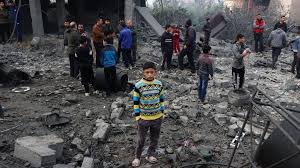
The war in Gaza has once again plunged into tragic chaos. On Sunday, an Israeli airstrike struck a water distribution site in central Gaza, killing at least six children and four others, according to Al-Awda Hospital. Health officials described the scene as one of the deadliest civilian-targeted incidents since the war reignited following the collapse of a ceasefire in March.
Video footage from the site showed children and adults lying lifeless amid plastic jugs and containers, a chilling reminder of the desperation gripping the enclave. The Israeli military later admitted that its missile had missed its intended Islamic Jihad target by “dozens of meters”—a misfire now under official review.
This incident capped a horrific 24-hour span that saw 139 bodies brought to Gaza hospitals—the highest toll since July 2. The Gaza Health Ministry now pegs the total death count at 58,026 since October 7, 2023.
Water, Not Weapons: Gaza’s New Front Line
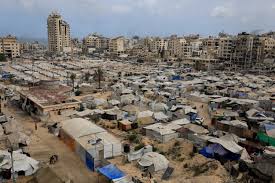
In a tragic twist, the victims weren’t combatants—they were civilians, including children, queuing for water. With Gaza’s infrastructure obliterated, accessing clean water has become an act of courage. According to the UN Relief and Works Agency (UNRWA), families face “impossible choices”: risk death for aid or face starvation.
Sam Rose, UNRWA’s acting director, warned CNN, “The longer it goes on, the worse it gets. The world must not accept this as the new normal.”
Dozens More Die in Strikes on Crowded Junction and Aid Convoy
Later that same day, an Israeli strike hit a crowded junction in central Gaza, killing 12—including a prominent doctor, Ahmad Qandeel. Meanwhile, 27 people reportedly died Saturday as Israeli troops opened fire near a US-backed Gaza Humanitarian Foundation (GHF) aid site near Rafah.
While GHF denied any incidents at its location and the Israeli military refuted responsibility, the International Committee of the Red Cross (ICRC) stated it treated 132 casualties from the area, with 31 deaths, the highest daily death count at its field hospital since its May 2024 launch.
800 Palestinians Killed Seeking Aid Since May
According to the UN Human Rights Office, nearly 800 Palestinians have died attempting to access aid between May and early July. These figures underscore the scale of humanitarian collapse and the volatility surrounding relief delivery.
The ICRC condemned the mounting toll: “This situation is unacceptable. The frequency and scale of these mass casualty incidents underscore the horrific conditions civilians are enduring.”
A Fragile Peace Plan Disintegrates in Doha
Talks Falter Despite US Pressure
Ceasefire talks in Doha, led by US President Donald Trump’s envoy Steve Witkoff, have reached a standstill. Despite early optimism, both Israel and Hamas now blame each other for stalling progress. Witkoff, who met with Qatari officials during the Club World Cup in New Jersey, remains publicly “hopeful,” though officials privately express concern over widening gaps.
The key dispute centers on military redeployment maps—particularly where Israeli forces would be allowed to operate during the proposed ceasefire’s initial seven days. Hamas accuses Israel of shifting the goalposts with new conditions.
A senior Hamas figure told CNN, “The talks have stalled. Israel is now demanding new deployment maps for its military inside Gaza.”
Netanyahu Blames Hamas, Pushes Forward
In a video message Sunday, Israeli Prime Minister Benjamin Netanyahu claimed his government accepted the latest ceasefire proposal—dubbed the “Witkoff Deal”—only for Hamas to reject it.
“We accepted the deal… Hamas rejected it,” Netanyahu declared. He reiterated Israel’s dual objectives: secure the release of all hostages and eliminate Hamas’ presence in Gaza. “I won’t compromise on these missions,” he said.
Critics, however, argue that Netanyahu is painting a false narrative. The Hostages and Missing Families Forum slammed him for “sabotaging” a potentially viable agreement. “Anyone who undermines a deal acts against the Israeli people for political survival,” they stated.
Israeli Public Favors Hostage Deal Over War
Recent polling from Channel 12 suggests that 74% of Israelis support a full ceasefire in exchange for the return of all hostages, dead or alive. Just 8% favor the phased release strategy the government is now pushing.
The pressure is rising—not just from global diplomats but from inside Israel’s own borders. The prolonged conflict, now in its 10th month, is fueling unrest, especially among families of the 120 remaining hostages.
IDF Continues Offensive as Gaza Buries Its Dead
The Israeli Defense Forces (IDF) said it struck over 150 targets in Gaza over the weekend, including tunnels, sniper positions, and weapons depots. The IDF also reported that five of its soldiers were killed in Beit Hanoun by a roadside bomb on Saturday, reflecting continued losses on both sides.
Photos from southern Israel showed smoke rising from Israeli artillery targeting northern Gaza—a visual that has become disturbingly familiar.
A Ceasefire Deferred, a Crisis Deepened
The tragic death of children collecting water has become a grotesque symbol of Gaza’s current reality. With ceasefire negotiations deadlocked and battlefield casualties soaring, the humanitarian cost of inaction is steep.
Meanwhile, US diplomatic pressure appears to be yielding limited results, and Netanyahu’s insistence on total Hamas removal may further complicate negotiations. As winter approaches and essential supplies dwindle, time may be the deadliest weapon yet in Gaza’s war for survival.