Israel Launches Preemptive Strikes on Iran’s Nuclear Facilities, U.S. Distances Itself from Operation
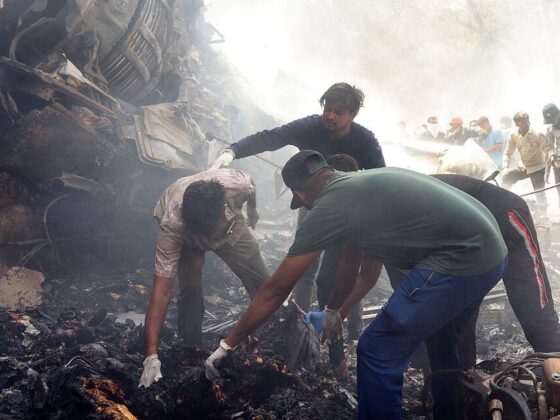
In a bold and escalating move, Israel launched a series of preemptive military strikes against Iran late Thursday night, targeting key components of Iran’s nuclear and military infrastructure. The strikes triggered explosions across Iran’s capital, Tehran, and prompted the temporary suspension of flights at the city’s main airport.
While the scale of damage remains under assessment, the incident marks a significant escalation in the long-standing hostility between the two nations, drawing intense international scrutiny.
Israel Strikes: Targeting Iran’s Nuclear Core
Netanyahu Confirms Operation to Cripple Nuclear Capabilities
Israeli Prime Minister Benjamin Netanyahu swiftly confirmed the operation, describing it as a direct assault on Iran’s nuclear advancement and missile programs.
“We struck at the heart of Iran’s nuclear enrichment program, Iran’s nuclear weaponization program, Iran’s main enrichment facilities, leading nuclear scientists, and ballistic missile programs,” Netanyahu stated.
He emphasized that the operation would continue as long as deemed necessary to neutralize the perceived threat posed by Iran’s growing nuclear capabilities.
Focused Targets: Nuclear, Missile, and Military Infrastructure
According to Israeli defense sources, the strikes were carefully planned to cripple:
-
Uranium enrichment facilities
-
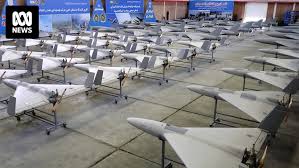
Missile development programs
-
Key military infrastructure
-
Strategic nuclear scientists involved in Iran’s weapons initiatives
The Israeli Defense Minister described the attacks as essential “preemptive strikes,” arguing they were in direct response to Iran’s continued uranium enrichment, which Israel believes is pushing Iran closer to building nuclear weapons.
Tehran on Alert: Flights Suspended Following Explosions
Following the strikes, Iran’s state-run Tasnim news agency confirmed multiple explosions in Tehran. While Imam Khomeini International Airport was not directly hit, flights were suspended as a precautionary measure amidst the chaos.
The exact extent of casualties or damage remains unclear, but the psychological impact across Tehran is immediate, with residents reporting panic and heightened security measures throughout the capital.
U.S. Response: America Denies Involvement, Urges Restraint
U.S. Officials: Israel Acted Alone
Despite rising speculation, the United States quickly distanced itself from Israel’s military operation. Secretary of State Marco Rubio issued a firm statement:
“Tonight, Israel took unilateral action against Iran. We are not involved in strikes against Iran, and our top priority is protecting American forces in the region.”
Rubio emphasized that while the U.S. had been informed of Israel’s intentions, Washington played no role in the attack.
“Israel advised us that they believe this action was necessary for its self-defense. President Trump and the Administration have taken all necessary steps to protect our forces and remain in close contact with our regional partners. Let me be clear: Iran should not target U.S. interests or personnel.”
Ongoing Diplomatic Efforts Remain Uncertain
Interestingly, the strikes come at a delicate time when the Trump administration has been actively engaged in nuclear negotiations with Iran. U.S. envoy Steve Witkoff has reportedly conducted five rounds of talks aimed at curbing Iran’s nuclear ambitions.
It remains unclear how Israel’s aggressive action will impact these diplomatic efforts or whether the U.S. had advance knowledge beyond being notified shortly before the strikes.
Regional and Global Reactions: Tensions on the Brink
Iran’s Possible Response and International Fallout
Iran has yet to issue a formal response regarding potential retaliation. However, regional analysts warn that Iran’s next move could either further destabilize the Middle East or push both sides toward heightened diplomatic engagement.
The international community is closely monitoring:
-
Possible Iranian military countermeasures
-
Diplomatic responses from the European Union, Russia, and China
-
Potential escalation that could draw in U.S. forces or regional allies
The situation remains extremely volatile.
Israel and Iran: A Decades-Long Shadow War
Israel has consistently warned that it would take military action if it perceived Iran’s nuclear program as an imminent threat.
Background: Decades of Hostility
-
Iran and Israel have been locked in a bitter geopolitical and ideological rivalry for decades.
-
Israel views Iran’s nuclear program as an existential threat, despite Iran’s claims that its uranium enrichment is for peaceful purposes.
-
Global nuclear watchdogs have noted that Iran is enriching uranium to levels close to weapons-grade, raising serious international concerns.
Israel’s Doctrine of Preemption
This operation aligns with Israel’s long-standing security doctrine that emphasizes preemptive action against emerging threats, particularly those involving weapons of mass destruction.
Israel’s strikes on Iran may mark a critical turning point in Middle Eastern geopolitics. The operation demonstrates Israel’s willingness to act unilaterally, even as the U.S. seeks diplomatic solutions.
While the immediate military objective may have been achieved, the broader consequences—politically, diplomatically, and militarily—are yet to unfold. All eyes now turn to Tehran to see whether Iran will retaliate, escalate, or return to the negotiating table.