A Calculated Strike That May Spark Nuclear Escalation
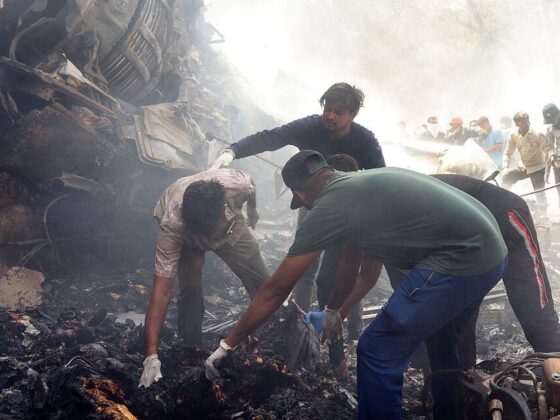
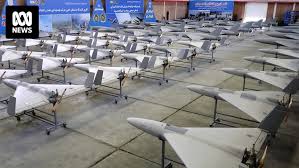
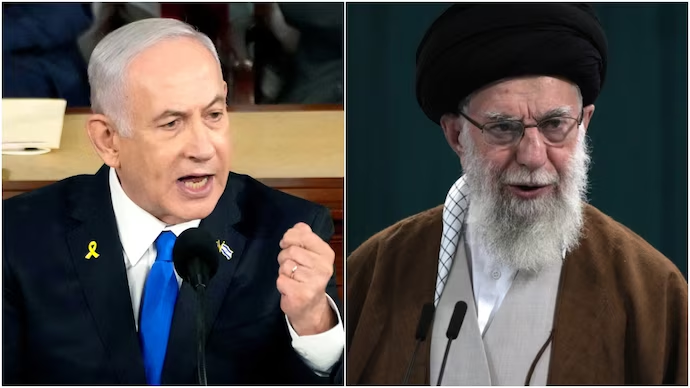
Israel launched a series of precision strikes against Iranian military and nuclear facilities between June 12 and June 13, aiming to cripple Tehran’s suspected nuclear weapons programme.
The raids, which targeted missile bases, nuclear enrichment sites, military personnel, and nuclear scientists, were intended to prevent Iran from crossing the nuclear threshold. However, the operation may have had the opposite effect.
The Bigger Risk: Accelerating Iran’s Nuclear Drive
Instead of deterring Iran, Israel’s strikes could significantly strengthen the position of Iranian hardliners who have long argued for the urgent development of nuclear weapons as a credible deterrent.
Context: A Fragile Diplomatic Moment Shattered
A History of Israeli Threats
Israel has consistently stated that it views an Iranian nuclear weapon as an existential threat. Over the years, Israeli officials have openly pledged to take military action if necessary to stop Iran from acquiring nuclear capabilities.
The Timing of the Attack
The strikes occurred at a particularly sensitive time:
-
Iran and the U.S. were engaged in renewed diplomatic talks aimed at salvaging nuclear negotiations.
-
The IAEA Board of Governors had just declared Iran in breach of non-proliferation agreements, following revelations that Iran possessed enough enriched uranium to potentially build nine nuclear weapons.
Diplomacy Collapses
Iran responded to the Israeli strikes by immediately pulling out of scheduled diplomatic talks.
The United States denied involvement in the attack but appeared to have prior knowledge, as evidenced by the preemptive withdrawal of American diplomats from the region.
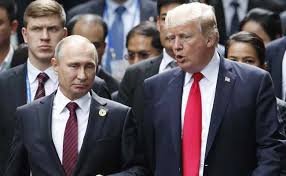
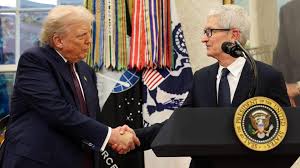
Former U.S. President Donald Trump controversially claimed that Israel’s attack aligned with American strategic objectives to pressure Iran into a nuclear deal—a statement that further complicates the U.S. position.
The Fallout: What Happens Next?
Iran’s Likely Strategic Shift
Iran has historically walked a fine line—demonstrating nuclear capability without actually building a weapon.
This balancing act may now be over.
-
Increased Military Incentives: Iranian hardliners can now credibly argue that only nuclear weapons will deter future Israeli attacks.
-
Collapse of Conventional Deterrence: Iran’s inability to prevent or respond to Israel’s strikes exposes a significant weakness in its conventional military posture.
Rapid Weaponization?
With enough enriched uranium for nine nuclear bombs, Iran could now:
-
Assemble a rudimentary nuclear arsenal quickly.
-
Seek to build additional stockpiles to establish a minimal credible deterrent.
However, moving quickly toward weaponization would not be without risk. Accelerated nuclear development would:
-
Trigger intensified Israeli intelligence operations.
-
Likely prompt further Israeli strikes.
-
Risk destabilizing the region even further.
Challenges for Iran: Testing, Arsenal Size, and Global Perception
Will Iran Conduct a Nuclear Test?
Nations like North Korea have used nuclear tests to send a clear global signal of their status. But for Iran:
-
With only enough fissile material for nine bombs, a test could be seen as a dangerous waste of limited resources.
-
The decision to test would depend on:
-
How quickly Iran can enrich additional uranium.
-
How fast it can develop reliable delivery systems.
-
Whether a public demonstration of nuclear capability outweighs the strategic benefit of ambiguity.
-
Can Iran Conceal a Nuclear Breakout?
It is unlikely that Iran could fully hide a rapid nuclear breakout:
-
Israeli, U.S., and international intelligence agencies are heavily focused on Iran’s nuclear infrastructure.
-
Any detectable movement toward weaponization would probably provoke immediate Israeli or potentially multilateral military responses.
Israel’s Strategic Dilemma: Will It Escalate Further?
The Natanz Nuclear Facility: A Potential Flashpoint
-
Israel’s recent attacks have not caused any reported radiation leaks—a fortunate outcome considering the proximity of nuclear sites to civilian populations.
-
However, key facilities like Natanz are buried deep underground, and Israel’s conventional capabilities may eventually prove insufficient to neutralize them.
The Unspoken Option: Israeli Nuclear Use?
If Israel perceives an imminent Iranian nuclear breakout:
-
Its strategic calculus could shift toward considering the deployment of tactical nuclear weapons to eliminate underground facilities.
-
Such an escalation would mark a catastrophic turning point in Middle East security dynamics.
Global Security Implications: A CEO’s Perspective
Key Risks for Global Leaders to Monitor
-
Escalating Conflict Zones: The Iran-Israel standoff increases the risk to critical oil shipping lanes and Middle Eastern supply chains.
-
Market Volatility: Expect sharp fluctuations in energy markets and heightened geopolitical risk premiums.
-
Diplomatic Fragility: International nuclear non-proliferation frameworks are under strain, with potential knock-on effects in North Korea, Pakistan, and elsewhere.
Corporate Leadership: Steps to Consider
-
Scenario Planning: Businesses with exposure to the Middle East should immediately reassess contingency plans for supply chain disruptions and regional instability.
-
Security Partnerships: Engage with international security consultants to monitor regional developments in real-time.
-
Stakeholder Communication: Develop transparent communication strategies to reassure investors, partners, and employees about exposure and risk mitigation efforts.
A Precarious Future
Israel’s strikes on Iranian nuclear sites may have intended to prevent a nuclear-armed Iran—but they might have achieved the opposite.
Hardliners in Tehran now have a stronger case to fast-track nuclear weapons development as a form of survival and deterrence.
The window for diplomacy has closed, at least for now. With tensions rising and the region destabilizing, the world faces a dangerous new phase where miscalculation could have catastrophic consequences.
The next steps—whether they involve renewed diplomatic efforts, further Israeli military action, or a visible Iranian nuclear breakout—will shape the future of Middle Eastern and global security.