FBI Investigates Wealthy California Couple After 21 Children Seized in Surrogacy Scandal
A growing legal and ethical storm is unfolding in Southern California, where more than 20 young children have been taken into protective custody amid allegations that a Los Angeles-area couple misled multiple surrogate mothers across the United States.
The case, which has drawn the attention of the FBI, local authorities, and child-welfare officials, centers on Silvia Zhang, 38, and Guojun Xuan, 65, who claimed they simply “wanted a large family.” Instead, they now face potential charges and a sprawling investigation that could reshape how the U.S. handles commercial surrogacy and child protection.
Inside the Investigation: What We Know So Far
21 Children, 1 House, 2 Arrests
Authorities say 15 children were discovered in May at the couple’s lavish Arcadia home following a hospital report of suspected abuse. Another six children linked to the couple were found living in separate locations. The children range in age from 2 months to 13 years, with most under three.
According to Arcadia Police Lt. Kollin Cieadlo, some of the children may be biologically linked to Zhang, but many appear to have been born via surrogates.
“We believe one or two were born biologically to the mother,” Cieadlo said. “There are some surrogates who have come forward and said they were surrogates for the children.”
The child-welfare department has taken full custody as officials determine the legality of the arrangements and whether any criminal conduct occurred.
The Abuse That Triggered the Case
Infant’s Head Trauma Leads to Police Involvement
The scandal broke open after a two-month-old baby was brought to a hospital with a traumatic head injury. Authorities say the injury occurred when a nanny violently shook the infant—but the baby wasn’t taken to the hospital for two full days.
Zhang and Xuan were arrested in May on suspicion of child neglect, though formal charges were delayed as the investigation widened to include potential fraud, surrogacy law violations, and possibly federal crimes.
The Surrogacy Web: Deception or Misunderstanding?
Surrogate Mothers Say They Were Misled
Several women who carried children for the couple have come forward, claiming they had no idea that multiple other surrogates were involved or that over 20 children had been born through similar arrangements.
Local media reports suggest that surrogate mothers were told the children were for the couple’s “big family” but were never informed of the scale of the operation. Questions are now being raised about informed consent, legal guardianship, and whether Zhang and Xuan used surrogacy for financial, exploitative, or potentially criminal purposes.
“I’m not familiar with how the surrogacy laws work,” Cieadlo admitted. “We need to do a much deeper dive.”
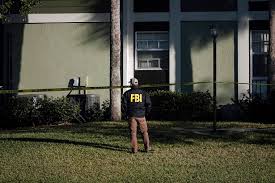
The FBI is now involved but has not commented publicly.
Business Ties Raise More Questions
“Mark Surrogacy Investment LLC” Linked to Couple’s Home
According to California Secretary of State records, the couple was previously connected to a business called Mark Surrogacy Investment LLC, which was registered at their Arcadia address. The license was terminated in June 2025—shortly after the couple’s arrest.
The nature of the business, its clients, and its operations remain unclear, but its name alone suggests that surrogacy may have been handled at a commercial scale, raising serious red flags.
Was this an unlicensed surrogacy agency? Were the children intended for adoption or international sale? Authorities are exploring these and other chilling possibilities.
Birth Certificates and Legal Loopholes
Valid Documents—But Valid Arrangements?
Despite growing concerns, Zhang has presented what appear to be legitimate birth certificates for all the children, including documents from out-of-state jurisdictions. She is listed as the legal mother on each.
Lt. Cieadlo acknowledged that while the paperwork looks official, the broader legality and transparency of the arrangements remain murky:
“There are real birth certificates with her name on them, but that doesn’t necessarily mean everything was done above board.”
The situation underscores gaping holes in America’s surrogacy framework, which varies significantly by state and often lacks federal oversight—creating a legal gray zone for potential abuse.
Legal, Ethical, and Policy Ramifications
Is This Child Trafficking by Another Name?
Though no trafficking charges have been filed, legal experts and child welfare advocates fear that the case might be the tip of a much darker iceberg—one where children are acquired under the guise of surrogacy for reasons ranging from personal obsession to illicit financial motives.
Child advocacy groups are now calling for:
-
Stricter regulations on multi-surrogacy arrangements
-
Federal tracking of surrogacy contracts
-
Clearer consent protocols for surrogate mothers
-
Audits of agencies like Mark Surrogacy Investment LLC
No Legal Representation Yet
As of this report, it is unclear if Zhang or Xuan have retained legal counsel. The couple has not commented publicly, and attempts to reach Zhang by email went unanswered.
What This Means for Business, Ethics, and Oversight
For leaders in biotech, healthcare, legal services, and family planning industries, the Arcadia case serves as a stark reminder:
-
Compliance gaps in reproductive services can become major liabilities.
-
Due diligence in client onboarding (even in seemingly “personal” matters like surrogacy) is vital.
-
The ethical edge of reproductive technology must be constantly reassessed.
More broadly, the case reflects a failure of oversight—across medical, legal, and business domains—that allowed one couple to legally accumulate custody over 20+ children with minimal state intervention until abuse was reported.
When the Desire for a “Big Family” Becomes a National Concern
What began as a family’s stated wish for a large household has transformed into a potential federal investigation involving surrogacy fraud, child endangerment, and possibly trafficking.
This case could reshape how the U.S. approaches not just surrogacy—but the intersection of fertility, legality, and child welfare in the 21st century.