Epstein Firestorm: House Speaker Mike Johnson Demands Full Disclosure, Splitting GOP and Fueling Maga Backlash
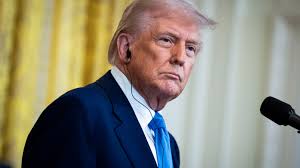
A political powder keg is exploding in Washington, as House Speaker Mike Johnson publicly broke ranks with President Donald Trump over the long-simmering Jeffrey Epstein controversy. The speaker has now called on the Department of Justice to release all Epstein-related files—shining a light on a rift that’s threatening to unravel parts of the Maga coalition ahead of the 2026 midterms.
This unusual political divide at the top levels of the Republican Party comes amid mounting pressure from Trump’s own base, which has grown deeply suspicious over what it sees as deliberate attempts to bury Epstein’s client list and shield powerful figures from accountability.
The Epstein Files Return to Center Stage
Maga Outrage Reignited by DOJ Memo
The latest firestorm ignited after the Justice Department released a memo last week declaring Jeffrey Epstein’s 2019 death a suicide, and further claimed there were no additional client lists or documents to be made public. This declaration has infuriated millions of Trump loyalists, who accuse the administration of betrayal after Trump repeatedly promised full transparency on Epstein’s dealings during his earlier campaigns.
Rather than putting the matter to rest, the DOJ’s announcement has only amplified conspiracy theories and handed fuel to far-right influencers—some of whom now question Trump’s credibility.
Speaker Johnson Breaks With Trump
“Let the People Decide”
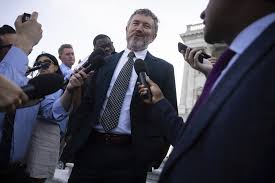
In a sharp departure from Trump’s dismissive stance, House Speaker Mike Johnson appeared on a right-wing podcast hosted by Benny Johnson and made a direct appeal for full disclosure.
“It’s a very delicate subject, but we should put everything out there and let the people decide it,” Johnson said.
“She [Pam Bondi] needs to come forward and explain that to everybody.”
The speaker referenced a past comment by Attorney General Pam Bondi, in which she claimed Epstein’s client list was “sitting on my desk right now to review.” That statement, once used to rally Maga voters, is now haunting the administration, as no such list has materialized.
Johnson’s remarks are particularly striking given his status as one of Trump’s closest allies in Congress. His decision to voice disagreement could open the floodgates for others in the GOP to demand transparency.
Democrats Seize the Moment
Push for Hearing with Bondi and FBI Leaders
Sensing a strategic opportunity, House Democrats have moved to keep the pressure on. On Tuesday, they pushed to amend legislation to require public release of all Epstein case files—a move blocked by the GOP majority, but not without political cost.
Democratic members of the House Judiciary Committee have now formally demanded a hearing, summoning:
-
Pam Bondi – Attorney General
-
Kash Patel – Deputy AG
-
Christopher Wray – FBI Director
Their aim? Grill the administration under oath and expose what they argue is a pattern of obfuscation and selective transparency in the case.
“We’re not letting this die,” a senior Democrat told reporters. “If Republicans are going to stonewall, they’ll own the fallout.”
Trump Dismisses Epstein Uproar—To His Own Risk
“Nobody Cares About Epstein”
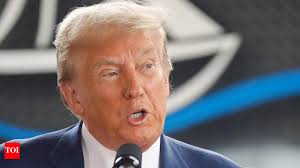
In recent days, Trump has tried to brush off the issue entirely. Speaking from the White House lawn before a trip to Pittsburgh, the president said:
“Let’s not waste time and energy on Jeffrey Epstein—somebody that nobody cares about.”
But that comment sparked immediate backlash online. Many within Trump’s Maga base view Epstein not as a footnote but as proof of deep-state corruption. Trump’s attempt to shut down the narrative has only inflamed it.
His Truth Social post over the weekend—“One year ago our Country was DEAD, now it’s the ‘HOTTEST’ Country anywhere in the World”—was widely mocked as tone-deaf, given the ongoing outrage.
Pam Bondi Stays Silent—And Under Fire
Deflection at Drug Crisis Event
Amid growing criticism, Attorney General Pam Bondi has largely refused to address the Epstein case, even when confronted directly. During a press conference on fentanyl overdoses Tuesday, Bondi repeatedly deflected:
“Today is about fentanyl overdoses… Not Epstein. Not going to talk about Epstein.”
Later, in an NBC News interview, Bondi acknowledged the growing frustration but pivoted again, saying:
“We’re going to fight to keep America safe again… We’ve got a war on drugs, on human trafficking… We’re working as a team.”
Pressed about Trump’s remarks encouraging her to release credible files, she said:
“Our memo speaks for itself. We’ll get back to you on anything else.”
Insiders now say Bondi is under intense internal pressure—from both Trump allies seeking to control the narrative and conservative lawmakers pushing for full disclosure. One Capitol Hill aide described her position as “increasingly untenable.”
Political Stakes Rising Ahead of 2026
Transparency vs. Loyalty
The Epstein controversy has become more than a scandal—it’s a litmus test for GOP politicians navigating the treacherous divide between transparency and Trump loyalty.
For Trump, whose brand is built on “draining the swamp,” the Epstein backlash is a dangerous contradiction. His base expects him to expose elite wrongdoing—not bury it. Any sign of retreat could erode trust with his most fervent supporters.
For Speaker Johnson, this is an early but bold test of independence—potentially signaling a shift within the Republican leadership toward greater institutional accountability.
And for Democrats, this moment is a strategic opening to frame the GOP as protecting elites and obstructing justice, especially as new questions arise over Epstein’s links to powerful politicians, business moguls, and foreign actors.
Brand Credibility Is Non-Negotiable
This saga offers key takeaways for leaders navigating public scrutiny:
-
Transparency earns trust—avoid contradictions. Trump’s shift from promising accountability to calling Epstein “boring” undermines his brand.
-
Anticipate public perception: If your base is heavily invested in a narrative, dismissing it outright can alienate them.
-
Control the timing of disclosures: Delays, deflections, or secrecy almost always worsen public relations crises.
The Epstein issue is no longer just a legal story—it’s a brand crisis for the Trump administration, a test of GOP unity, and a proxy war over elite accountability in America.
As Mike Johnson, Pam Bondi, and Donald Trump navigate this high-stakes controversy, the question is no longer whether the Epstein files will define the news cycle—it’s whether they’ll reshape the balance of power within the Republican Party itself.
The pressure is on. The clock is ticking. And millions of Americans—on both sides of the aisle—want answers.