A Shift in Silence as Gaza Crisis Deepens
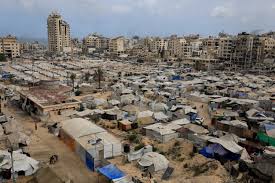
A mounting humanitarian catastrophe in Gaza has triggered an unprecedented response from prominent Jewish American organizations—some of which have traditionally stood in firm defense of Israeli policy. The latest statements come as global condemnation grows over the spiraling famine, with United Nations-backed food security experts warning of a “worst-case scenario” already unfolding.
This week alone, multiple American Jewish groups publicly called on Israel and other authorities to ensure that aid flows into Gaza to prevent further civilian suffering. While condemning Hamas and maintaining support for Israel’s security, these organizations now urge immediate action to protect innocent lives caught in the crossfire.
AJC Issues Dual Message: Support for Israel, Call for Aid
On Sunday, the American Jewish Committee (AJC)—a historically pro-Israel advocacy group—issued a carefully worded statement. While affirming Israel’s right to defend itself and secure the release of hostages, the AJC expressed sorrow over civilian casualties and worsening food insecurity.
“We urge Israel, the Gaza Humanitarian Foundation, the UN, and all responsible parties involved in aid distribution to increase cooperation,” the statement said.
This marks a nuanced but meaningful shift for the AJC, signaling concern over the potential long-term damage to Israel’s international and moral standing.
Reform Movement: Starving Gaza Won’t Bring Peace
The Reform Movement of North America, representing the largest Jewish denomination in the U.S., echoed the urgency. In a powerful statement, it condemned Hamas for its role in prolonging the conflict but urged Israel to uphold humanitarian values.
“Neither escalating military pressure nor restricting humanitarian aid has brought Israel closer to securing a hostage deal or ending the war,” the statement read.
“Starving civilians will not bring Israel the ‘total victory’ it seeks.”
Conservative Rabbinical Assembly Joins the Chorus
The Rabbinical Assembly, a key body of Conservative Judaism, added its voice with a pointed call for action. The group acknowledged Hamas’ role in endangering civilians but argued that Jewish values mandate the delivery of aid.
“The Jewish tradition calls upon us to ensure the provision of food, water, and medical supplies as a top priority,” the organization said.
Civil Disobedience Spreads to the Clergy
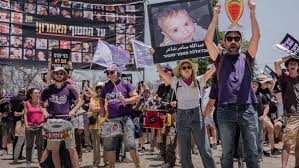
While Jewish leftist groups have long protested Israel’s Gaza campaign, there are now visible signs of broader communal unrest. On Tuesday, 27 rabbis and Jewish clergy were arrested during a protest inside Senate Majority Leader John Thune’s office in Washington, demanding immediate aid for Gaza.
The next day, eight rabbis were arrested outside the Israeli consulate in New York, underscoring a significant shift in who is taking part in demonstrations.
“This represents an escalation from rabbis in this political lane,” said Phylisa Wisdom, executive director of New York Jewish Agenda.
Over 1,200 Rabbis Sign Open Letter: A Moral Crisis for Judaism
In a rare show of unity, over 1,200 rabbis have signed a public letter calling on Israel to allow humanitarian aid into Gaza. The signatories describe the crisis as a moral breaking point:
“The Jewish people face a grave moral crisis, threatening the very basis of Judaism as the ethical voice that it has been since the age of Israel’s prophets.”
This statement represents one of the largest coordinated rabbinic actions related to Israeli policy in decades.
Public Opinion and Political Fallout
Recent polling underscores the shifting landscape. A Gallup poll found that support for Israel’s military actions in Gaza among U.S. adults has plummeted to 32%, the lowest since tracking began in late 2023. Among younger Americans—including young Jewish voters—that support drops even further.
In New York’s recent Democratic mayoral primary, Zohran Mamdani, a vocal advocate for Palestinian rights, won 67% of Jewish voters under 44, but only 25% of those over 45.
This generational divide is rapidly redrawing the political map and Jewish institutional alignment in the United States.
IfNotNow and the Movement for Jewish Conscience
Jewish activist group IfNotNow, which has been at the forefront of anti-occupation protests, is helping to organize a mass demonstration in New York City under the banner “Jews Say: No More.”
“Our tradition teaches us that if we can protest our people’s actions and we don’t, we are responsible,” said Morriah Kaplan, executive director of IfNotNow.
Pressure Mounts on Jewish Institutions
The ripple effect is being felt across historically Zionist institutions as well. This week, more than 200 alumni from Young Judaea, a Zionist youth organization, called on it to break its silence.
“We see our families and friends, colleagues and teachers, rabbis and Jewish institutions… stand courageously in opposition to these policies,” they wrote in an open letter.
“Young Judaea cannot remain silent in this moment and maintain any moral credibility.”
A Watershed Moment for U.S. Jewish Opinion
The current war has forced a moral reckoning within American Jewry. Where once unconditional support for Israel’s military actions was a baseline assumption, we are now witnessing a growing chorus of dissent—even among centrists and institutional leaders.
As famine looms in Gaza and public pressure builds, the statements from Jewish American organizations signal not only moral concern but also a deeper fear: that continued suffering could damage the ethical core of Judaism itself and fracture its communities beyond repair.
What comes next depends on whether Israel responds to this global—and increasingly internal—call for humanitarian responsibility.