Kyiv Reels from Most Fatal Attack in Over a Year
In the early hours of July 31, 2025, Russia launched a coordinated drone-and-missile strike on Ukraine’s capital, Kyiv, marking the deadliest single attack on the city since 2024.
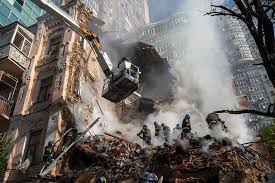
The onslaught left 31 civilians dead, including at least five children, and 159 others wounded. Most of the fatalities came from a direct strike on a nine-story apartment block in Kyiv’s western Sviatoshynskyi district. The attack occurred just before 5 a.m. local time.
“This is the highest number of injured children in one night in Kyiv since the beginning of the full-scale invasion,”
— Kyiv Mayor Vitali Klitschko
One Apartment Block, 28 Dead: A Grim Symbol of Civilian Suffering
Rescue operations continued through the night as over 100 emergency workers cleared more than 2,000 tons of rubble to search for survivors. The State Emergency Service (SES) reported that at least 28 of the 31 confirmed fatalities came from the residential building.
Among the dead was 10-year-old Tymur Hryhorenko, whose story has gripped the nation. His mother, overwhelmed with grief, told reporters, “I should have been with him.”
The missile’s impact left entire floors gutted, residents buried, and hopes shattered — turning a once-lively neighborhood into a scene of mass mourning.
Widening Scope: Kyiv, Donetsk, Kharkiv Under Siege
The July 31 strike was not an isolated incident. Simultaneous attacks targeted multiple regions across Ukraine, including:
-
Kramatorsk (Donetsk region): A five-story apartment building was partially destroyed, leaving 3 civilians dead.
-
Kharkiv region: Additional missile strikes were reported, contributing to the death toll.
-
Nationwide: A total of 6 more civilians were killed and 27 injured in follow-up air assaults overnight into Friday.
Ukrainian President Volodymyr Zelensky condemned the attacks as “vile” and once again called on the international community to tighten sanctions on Russia.
The Drone Warfare Evolution: A Growing Strategic Threat
According to the Center for Strategic and International Studies (CSIS), Russia’s drone and missile strategy is intensifying at an alarming pace. The think tank notes:
-
Salvo frequency: Russia previously launched major aerial assaults roughly once a month. In 2025, that frequency has escalated to once every two days.
-
Munitions volume: In recent strikes, Russia has deployed nearly 300 aerial munitions, triple the levels seen in the early phases of the war.
-
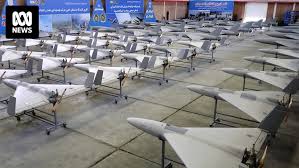
Drone preference: These attacks increasingly rely on cheap-to-manufacture Iranian-style Shahed drones, which are launched en masse to saturate and exhaust Ukraine’s air defense systems.
President Zelensky confirmed that in July alone, Russia fired:
-
Over 5,100 glide bombs
-
Around 3,800 Shahed drones
-
Nearly 260 missiles of varying ranges
This shift in strategy is not only meant to destroy Ukrainian infrastructure but also to psychologically exhaust the population and sabotage daily civilian life.
U.S. Response: Trump’s Ceasefire Ultimatum Tightens
President Donald Trump, who had previously extended a cautious diplomatic hand to Moscow, reacted swiftly to this latest atrocity. He shortened the negotiation window for Russian President Vladimir Putin to agree to a ceasefire, warning of escalating sanctions if Putin fails to comply.
This marks a significant shift in U.S. posture — from pressure-by-engagement to pressure-by-penalty. According to senior officials in Washington, the Trump administration is preparing a new sanctions package targeting:
-
Russian defense contractors
-
State-owned energy firms
-
Financial institutions linked to military logistics
-
Key tech suppliers aiding drone production
“No matter how much the Kremlin denies their effectiveness, sanctions do work – and they must be strengthened,” Zelensky said in a statement on Friday.
What This Means for Global Security
1. Ukraine’s Civilian Resilience Faces New Tests
As missile salvos become more frequent and lethal, Kyiv’s emergency services, hospitals, and infrastructure systems are being pushed to the limit. Yet, civilian morale — while battered — remains resilient. But for how long?
2. Air Defense Fatigue Is a Strategic Vulnerability
Ukraine’s Western-supplied air defense systems are increasingly stretched thin. Constant nighttime attacks leave little time for reloading, repositioning, or recovery. This opens serious questions about whether Western nations will expedite new arms shipments — particularly anti-drone capabilities and radar upgrades.
3. Russia’s Low-Cost, High-Impact Tactics Are Here to Stay
By relying on Shahed drones and glide bombs, Russia is achieving maximum destruction with minimal financial cost. This may become a model for other authoritarian regimes eyeing asymmetric aerial warfare.
A Wake-Up Call for the West
The July 31 Kyiv strike is more than a humanitarian tragedy — it’s a strategic inflection point. Russia’s increasingly lethal aerial campaign is pushing Ukraine’s defenses to the brink and testing the West’s willingness to escalate support.
Whether this deadly escalation leads to stronger sanctions or faster weapons shipments remains to be seen. But one thing is certain: the war has entered a darker, deadlier phase — and civilians are paying the price.