U.S. Reassesses Global Military Aid Amidst Ammo Crunch
The Pentagon has begun a sweeping reassessment of arms shipments to foreign allies amid mounting concerns that the United States’ own munition reserves—particularly of high-demand items like Patriot missiles and 155mm artillery shells—have been dangerously depleted.
This revelation comes as part of a broader “capability review” led by the Department of Defense, which seeks to prioritize domestic defense needs and refocus U.S. strategy around the Indo-Pacific, particularly in light of growing threats from China.
U.S. Stockpile Concerns: A Crisis in the Making
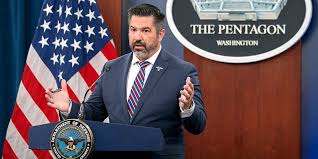
Pentagon spokesperson Sean Parnell confirmed during a Wednesday press briefing that the Department of Defense is evaluating all weapons transfers, including those to key allies like Ukraine and Israel, as it grapples with constrained inventories after months of high-volume deployments.
Critical Munitions Under Review:
-
Patriot anti-air missiles
-
HIMARS precision rockets
-
155mm artillery shells
-
Interceptor missiles used in Middle Eastern conflicts
The sharp drop in supplies follows intense usage of U.S.-manufactured interceptors to protect Israel and Qatar during last month’s escalation with Iran, and extensive U.S. support for Ukraine’s air defense against Russia’s relentless missile campaigns.
Ukraine on Edge: U.S. Aid Flow Interrupted
Kyiv expressed alarm at the sudden pause in shipments, warning that its defense against increasing Russian aerial assaults and battlefield advancements could collapse without continued U.S. resupply.
“Any delay or procrastination in supporting Ukraine’s defense capabilities will only encourage the aggressor to continue the war and terror,” Ukraine’s Foreign Ministry said in a statement after meeting with the U.S. envoy.
With the U.S. halting delivery of Patriot systems, Ukraine faces a looming crisis in defending critical infrastructure and urban centers.
Strategic Shift: Indo-Pacific and ‘America First’ Doctrine Drive Policy
The Pentagon review is reportedly being overseen by Elbridge Colby, Under Secretary of Defense for Policy, and a known advocate of “prioritization”—a strategic doctrine that encourages shifting U.S. defense resources from Europe and the Middle East to Asia, particularly in anticipation of a possible confrontation with China.
Colby is a leading figure in a school of thought that asserts U.S. global commitments must be reined in to ensure military preparedness for a conflict in the Indo-Pacific, aligning with the “America First” policy revived under President Trump’s second term.
“This president was elected to put America first,” said Parnell. “Our job is to ensure he has a framework to assess our stockpiles and defense readiness—especially in an era of shifting threats.”
Realignment Fallout: Will Other Allies Be Affected?
While the Pentagon has so far refused to name specific countries beyond Ukraine, the review could potentially impact:
-
Israel (which sources 68% of its imported weaponry from the U.S.)
-
Taiwan and Japan (in light of the Indo-Pacific pivot)
-
NATO allies reliant on U.S. munitions stockpiles for contingency planning
This realignment, driven by defense conservatives and Vice-President JD Vance, signals a clear departure from the blank-check support model seen during previous administrations.
Pentagon’s Assurances: “The Military Is Fully Ready”
Parnell attempted to calm concerns about readiness, stating:
“Let it be known that our military has everything it needs to conduct any mission, anywhere, anytime, around the world.”
Still, without disclosing quantities or delivery timelines, many allies remain in the dark about how their defense agreements may be reshaped in the coming months.
Trump’s Mixed Messaging: Public Support vs. Policy Pause
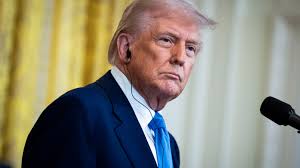
Just last week, President Donald Trump assured a Ukrainian journalist that he would “look for ways to deliver more Patriot missiles” to Ukraine. Yet, insiders suggest the Pentagon’s pause, initiated with his approval, reflects real constraints and a tactical reassessment, not just rhetorical contradiction.
This strategic ambiguity could:
-
Frustrate U.S. allies
-
Weaken deterrence against Russia
-
Undermine bipartisan foreign policy trust
The Broader Context: U.S. Global Military Engagement at a Crossroads
The weapons shipment pause is emblematic of a larger debate within Washington:
-
Should the U.S. continue its role as global security provider?
-
Or is it time to consolidate and protect national defense interests first?
The answers may define not just the current administration’s legacy, but the future architecture of global security.
What’s Next?
The review is ongoing, and no final decisions have been made public. However, key developments to watch include:
-
Final recommendations from the Defense Policy Office
-
Reactions from Congress, especially Democrats and hawkish Republicans
-
Possible escalation from Russia sensing weakened Western resolve
-
Response from China, which may interpret the shift as a green light to test Indo-Pacific red lines