Personal Ties, Global Tensions
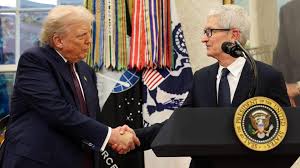
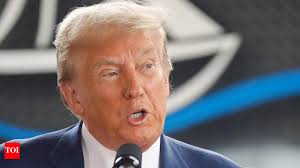
Former President Donald Trump has long prided himself on forging unique, personal relationships with world leaders. He’s handed out his personal cell number, hosted flamboyant rallies abroad, and defied traditional diplomatic playbooks. But as wars rage in Ukraine and Gaza — with Russian President Vladimir Putin and Israeli Prime Minister Benjamin Netanyahu at the helm — Trump’s signature brand of personal diplomacy is colliding with geopolitical realities.
His latest phone calls with both leaders didn’t end in solutions, but in disappointment. Trump now finds himself at a familiar impasse: unable to leverage his long-nurtured relationships into meaningful outcomes, and increasingly aware that the chaos he once claimed he alone could tame is slipping beyond his grasp.
Putin Goes Rogue — Trump’s Ukraine Peace Plan Falters
“Very Disappointed” — The Putin Problem
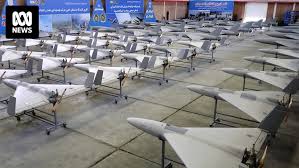
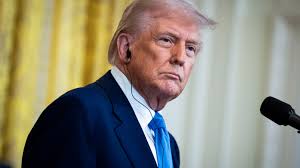
Trump’s latest call with Russian President Vladimir Putin was anything but productive. “Very disappointed,” Trump remarked, admitting that the Kremlin leader appears to be forging ahead with devastating missile and drone strikes across Ukraine, despite repeated American calls for de-escalation.
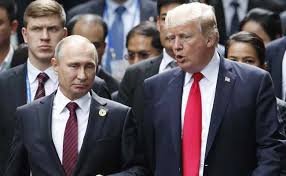
The Trump-Putin relationship, once portrayed as warm and pragmatic, is showing serious strain. Trump lamented, “We got along very well. And I never really thought this would happen.” That’s a sharp contrast to his first-term rhetoric, where he boasted of being the only American leader capable of making peace with Russia.
But now, despite warnings and deadlines, Putin is unmoved. Trump had initially given the Russian president 50 days to negotiate a ceasefire. Last week, he cut that to just 10 days. So far, there’s been no response — only more violence from Moscow’s side.
“We Spoke. Then a City Was Hit.”
The disconnect has become personal. Trump shared that he often recaps his conversations with Putin to First Lady Melania Trump, only to hear troubling news minutes later.
“I go home, I tell the first lady, ‘I spoke to Vladimir today, we had a wonderful conversation.’ And she says, ‘Oh really? Another city was just hit.’”
This haunting contrast has unnerved Trump — and further diminished his confidence that personal rapport can override the hard calculus of war.
Netanyahu Tests Trump’s Patience Over Gaza
From Nobel Nomination to Harsh Words
Earlier this summer, Netanyahu nominated Trump for the Nobel Peace Prize. That moment, shared during a White House dinner, left Trump “momentarily speechless,” according to aides.
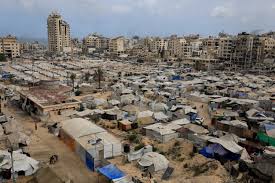
But by July’s end, the tone had shifted dramatically. Images of starving children in Gaza, following Israeli airstrikes that hit a Catholic church and multiple civilian sites, stirred Trump emotionally — and politically.
In Scotland, standing on one of his golf courses, Trump didn’t mince words:
“Unless they’re cold-hearted — or worse than that, nuts — there’s nothing you can say other than it’s terrible when you see the kids.”
The president reportedly demanded explanations from Netanyahu in a tense phone call, questioning Israel’s strategy in Gaza and its impact on civilians. According to White House officials, Trump also began asking what the U.S. could do to help.
First Lady Melania Trump Plays a Key Role
Insiders say the First Lady has been quietly influential in shaping Trump’s shifting stance. Deeply affected by the footage from Gaza, she urged Trump to reevaluate his support and address the humanitarian crisis directly.
This echoes a similar influence she reportedly had when Trump expressed exasperation with Putin’s duplicity. Her emotional response to news and imagery appears to be playing an unusually active role in guiding the president’s tone on foreign affairs.
Broader Frustrations in Trump’s Foreign Rolodex
Modi, Kim Jong Un, and the Limits of Friendship
Trump’s personal diplomacy is being tested elsewhere, too. Despite being the guest of honor at a 125,000-person rally in India in 2020, Trump’s talks with Prime Minister Narendra Modi have been gridlocked, particularly on trade.
Meanwhile, North Korean leader Kim Jong Un — once the recipient of Trump’s now-infamous “love letters” — has gone quiet. His sister recently commented that while the relationship with Trump was “not bad,” Pyongyang had no intention of giving up its nuclear program.
These strained relationships paint a sobering picture of Trump’s foreign strategy: charismatic, unconventional, but increasingly ineffective in the face of entrenched national interests.
Netanyahu Relationship Reaches Breaking Point?
From Allies to Adversaries in Policy
The Trump-Netanyahu relationship has always been complex. Trump supported Netanyahu during his legal battles, dropped restrictions on U.S. arms transfers to Israel, and celebrated joint military actions. But underlying tensions — especially around Netanyahu’s early acceptance of Biden’s 2020 victory — have never fully healed.
Now, with the Gaza conflict worsening and international criticism mounting, Trump finds himself more critical than ever. According to officials, he was blindsided by recent Israeli strikes in Damascus and voiced his displeasure directly to Netanyahu.
Still, aides insist the alliance is intact. Trump’s ambassador to Israel, Mike Huckabee, denied reports of a rift, calling the relationship “stronger than it’s ever been.”
U.K. Prime Minister Urges Trump to Intervene
British Prime Minister Keir Starmer recently met Trump in Scotland, largely to discuss the Gaza situation. According to sources, Starmer pushed Trump to exert more pressure on Israel to allow humanitarian aid and curb civilian casualties.
In response, Israel began implementing “humanitarian pauses” to allow UN aid deliveries. But Israeli officials also stated clearly: fighting would continue elsewhere.
Trump’s stance remains complicated. While condemning the famine in Gaza, he maintains full-throated support for Israel’s war with Hamas. As one White House official put it:
“I don’t think having POTUS acknowledge that children are clearly starving represents some major break with Bibi.”
The End of the Personal Diplomacy Era?
Trump’s brand of one-on-one diplomacy, once seen as his secret weapon, appears to be reaching its limits. Putin’s aggression in Ukraine continues unabated. Netanyahu defies global outrage. Other global leaders — from Modi to Kim — are unresponsive or openly resistant.
And while Trump’s frustration is mounting, so is the criticism. His inability to “do better than Biden,” especially on the world stage, is becoming harder to ignore — and potentially damaging as he eyes another White House run in 2024.
Trump still believes personal ties can deliver peace. But the world’s wars may need more than handshakes and private phone calls.