Envoy Steve Witkoff Visits Controversial US-Backed Aid Hub Amid Soaring Death Toll
As the humanitarian crisis in Gaza worsens, with starvation reaching alarming levels and over 1,000 Palestinians killed while seeking food, the Biden administration is stepping in—at least symbolically.
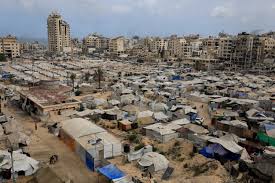
On Friday, Steve Witkoff, the United States’ Special Envoy to the Middle East, made his second visit of the year to Gaza. His destination: a controversial US-backed food distribution site in the southern city of Rafah, one of three such centers operated by the Gaza Humanitarian Foundation (GHF).
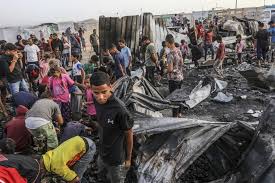
Witkoff’s visit comes as images and reports of mass civilian casualties near food lines continue to dominate headlines. Hundreds have died near GHF-run facilities, many gunned down while scrambling for food under Israeli military oversight. The site has been widely criticized by local leaders and international observers alike—not just for its logistical failures, but for symbolizing what some claim is a broken, American-managed humanitarian experiment.
The Gaza Humanitarian Foundation: Replacing the UN, Failing the People?
Aid Delivery Redesign Sparks Outrage as Death Toll Rises
The GHF was created in May following Israeli complaints that UN aid efforts were indirectly aiding Hamas. It was designed as a private, US-influenced alternative to traditional aid systems, with a mission to bring speed, accountability, and transparency to food distribution. But critics say the experiment has backfired.
The UN reports over 1,000 Palestinian civilians have died while trying to obtain food, many near GHF distribution points. While the GHF disputes these figures, the deaths have drawn scathing criticism—particularly given the close ties between GHF operations and US government contractors.
A senior Hamas official, Dr. Basem Naim, lambasted Witkoff’s visit as nothing more than “a photo op,” saying:
“Mr. Witkoff, Gaza is not an animal farm… The people of Gaza are not beggars, but a proud people who seek only freedom and the right to return to their homeland.”
Inside the Visit: Witkoff, Huckabee and the White House Plan
US Eyes Direct Control of Aid Amid Political and PR Pressures
Witkoff was accompanied by US Ambassador to Israel Mike Huckabee, as both men inspected conditions on the ground. According to White House Press Secretary Karoline Leavitt, the visit is meant to “secure a plan to deliver more food” and “hear firsthand about the dire situation.”
After the inspection, both officials are expected to brief President Trump—who appointed Witkoff in January—on the conditions and recommend a “final plan” for aid going forward.
“The White House will provide more details once that plan is approved and agreed on by the president,” Leavitt stated on Thursday.
This is Witkoff’s second visit to Gaza since assuming his role. His January visit made headlines for being the first by a US official in more than a decade.
Political Minefield: Aid, Optics, and the Shadow of Hamas
USAID Review Finds No Evidence of Hamas Theft—But Distrust Persists
The entire framework underpinning the GHF was justified by Israeli claims that Hamas had infiltrated or siphoned UN aid operations. However, an internal review by the US Agency for International Development (USAID) undermines that narrative.
According to CNN, the USAID review examined 156 incidents of waste, fraud, or abuse between October 2023 and May 2025 and found no affiliations with foreign terrorist groups or sanctioned entities. Despite this, the US opted to back the GHF—a decision now under intense scrutiny.
Key Findings from USAID’s Internal Review:
-
156 incidents analyzed from partner NGOs
-
No evidence of Hamas infiltration or misuse
-
No linkage to sanctioned groups
This raises critical questions:
-
Why replace the UN if there was no proven abuse?
-
Has the new system increased risk and civilian deaths unnecessarily?
-
Is the US now morally and operationally liable for aid-related fatalities?
Humanitarian Crisis or Political Theater?
Gaza Starvation Becomes Geopolitical Flashpoint
While hunger mounts in Gaza, the international spotlight has increasingly turned toward Washington’s role in shaping—and now possibly salvaging—the response.
For many Palestinians, the presence of US envoys at GHF sites does little to mask what they see as Western complicity in their suffering. Witkoff’s presence, to them, isn’t an assurance but a reminder that American influence now dominates everything—even the breadline.
For the US, however, the visit represents an attempt to reassert humanitarian leadership, calm political backlash, and contain a narrative spiraling out of control both domestically and abroad.
The Road Ahead: Can the US Fix the System It Created?
Next Steps Include Strategic Reevaluation and Possible Policy Shift
It remains unclear what form the “final plan” promised by the White House will take. But the pressure is on for it to include:
-
Safer aid distribution mechanisms
-
International oversight or hybrid models
-
Better protection of civilians in conflict zones
With Gaza descending further into humanitarian catastrophe, time is running out. Symbolism alone won’t feed starving families. And if the US hopes to avoid owning the fallout of the GHF project, it must deliver more than food—it must deliver accountability.